What it really takes to build a healthy workplace in an era of constant change
After attending a thought-provoking webinar hosted by Medibank on Leading the Future of Work—featuring Katelyn Reddin, Head of People Strategy at Medibank, and Reanna Browne, award-winning strategic futurist—we were inspired to continue an important conversation:
What does it really take to build a healthy workplace in an era of constant change and uncertainty?
We often talk about “the future of work” as if it’s some far-off destination we’ll eventually reach once the chaos settles. But the truth is, we never actually get to the future. We’re always here, in the present, shaping what’s next through every decision we make (and the ones we delay).
The pace of change isn’t slowing. Evolving workforce expectations, emerging technology, AI, and global uncertainty are all moving faster than our neatly packaged business models can handle. For today’s leaders, the challenge isn’t to predict what’s coming; it’s to sense, respond, and act with courage, even when all the answers aren’t clear.
The Future of Work Isn’t About Tech — It’s About Health
Despite all the noise about AI and automation, the real frontier of the future of work is human. More than a third of employees now turn to their employers for mental health support. Burnout isn’t a personal resilience issue anymore; it’s an occupational outcome of how organisations are designed and led.
Progressive organisations are starting to recognise that wellbeing isn’t a perk; it’s governance. It belongs in board discussions, leadership KPIs, and business strategy—not hidden under “soft HR” initiatives.
Wellbeing intelligence means taking a systemic look at why health challenges emerge in the first place. That means examining workload design, leadership culture, and role clarity—the everyday conditions that quietly create stress long before crisis hits. The goal isn’t to react to burnout after it happens, but to design work in ways that prevent it altogether.
Organisations Are Living Systems — Not Machines
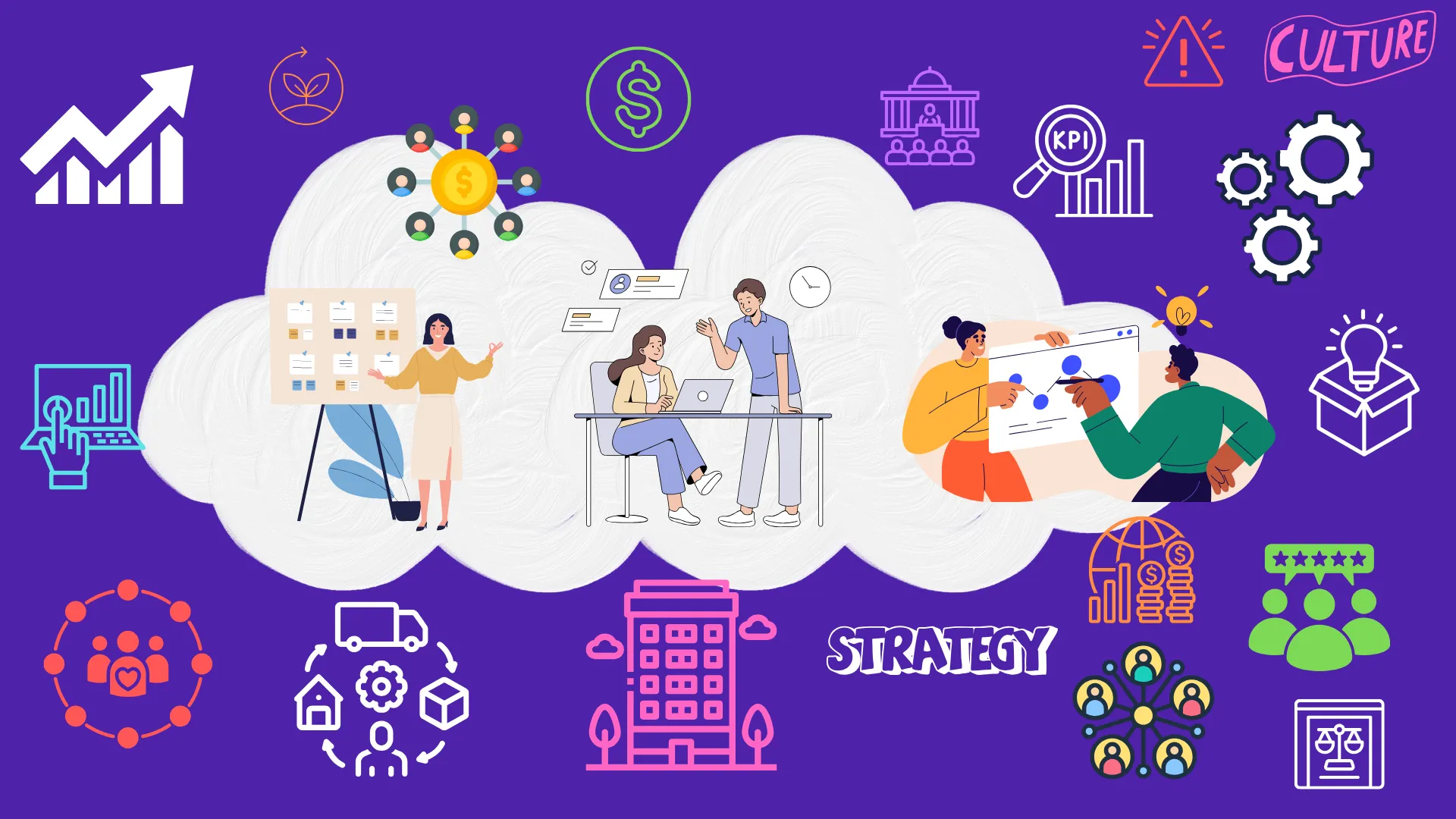
To create a truly healthy workplace, we have to look at the organisation as a complex ecosystem, not a collection of siloed departments or job titles. Every policy, process, meeting, and micro-interaction shapes the experience of work—and together, they form the living culture of the organisation.
These day-to-day interactions either create the conditions for people to thrive or quietly erode trust, energy, and engagement. They’re not “soft factors”; they directly influence productivity, retention, innovation, and financial performance.
That’s why having a clear organisational strategy, mapped value chain, thoughtful job design, effective performance system, and strong leadership capability isn’t optional; it’s foundational. Get those elements right, and you build a workplace that hums with clarity and purpose. Get them wrong, and no number of fruit bowls or yoga sessions will save you.
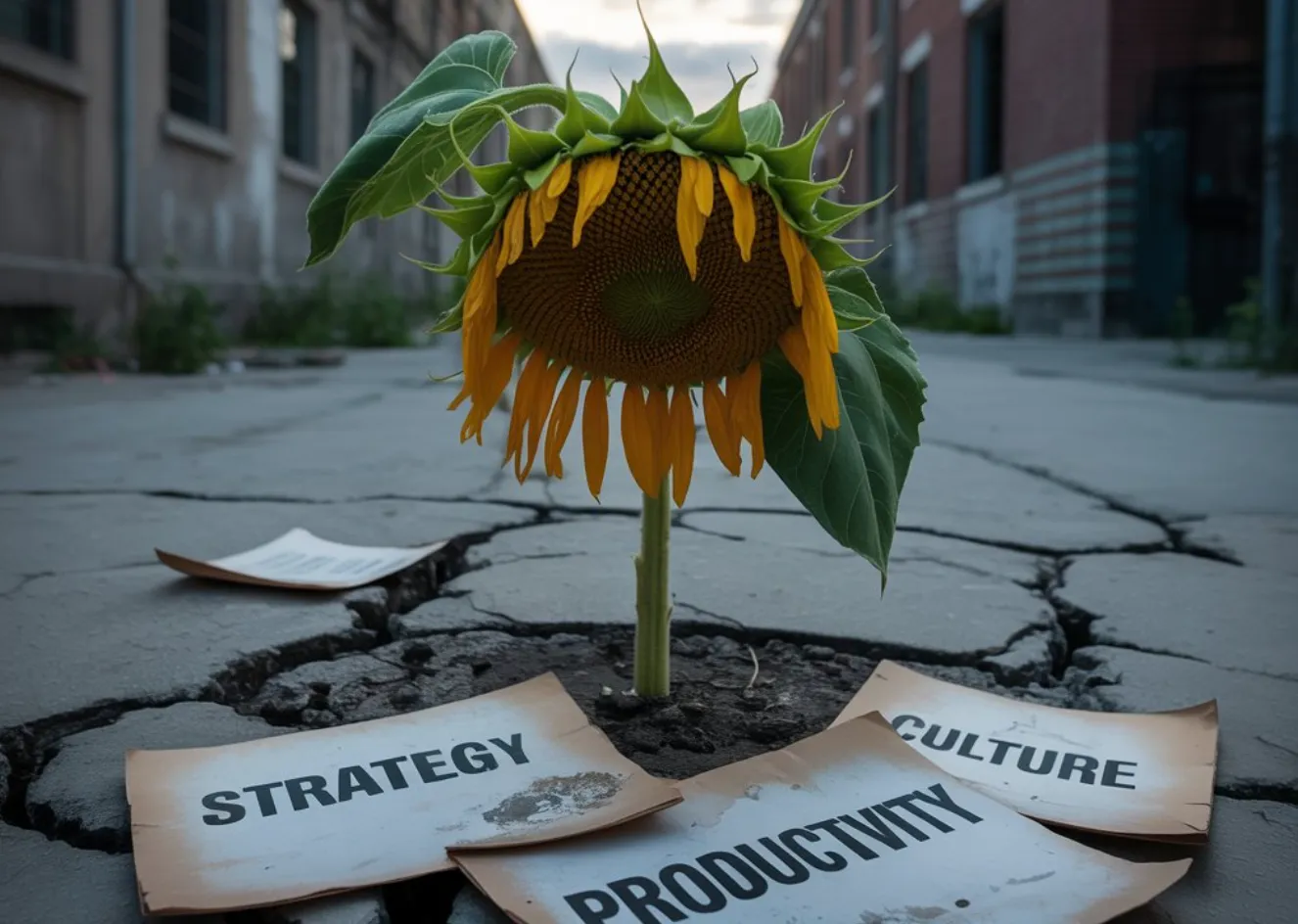
A token wellbeing program can’t patch over unclear strategic priorities, poor job design, or ineffective leaders. That’s not wellness—it’s a band-aid on a ticking time bomb of psychosocial hazards, presenteeism, and legal claims waiting to happen.
When we strengthen the system, not just soothe the symptoms, we create workplaces that are not only healthier, but more productive, more engaged, and far more profitable.
From Scattered Initiatives to Systemic Health
Healthy workplaces don’t rely on good intentions or one-off wellness campaigns. They:
- Build boundaries and clarity into everyday work practices.
- Design work intentionally, reducing low-value tasks and giving the gift of time—like Medibank, which is running a pilot of a four-day week that values productivity over presenteeism.
- Treat flexibility as a health enabler, not just a policy.
- Support people in real time—Medibank have ambitions to be the healthiest workplace and offer progressive supports such as virtual GP access, menopause support, and personalised initiatives that address the moments that matter.
When wellbeing is embedded systemically, employees become healthier, more creative, and better problem-solvers. That’s not just good for people; it’s good for performance.
Experimentation Is the New Strategy
The world is changing too fast for “tried and tested.” By the time a model is tested, it’s outdated. The healthiest workplaces are those brave enough to experiment, to make small bets in service of the long game.
Try something. Learn in small loops. Notice what’s working. Adjust. That’s how cultures evolve—not through grand transformations, but through thousands of thoughtful micro-shifts that make the system healthier every day.
As one principle from Reanna Browne goes: “We create a good future by creating a good present.”
Leading Through Uncertainty
Uncertainty triggers fear—but it can also spark creativity if we choose awareness over avoidance. The role of leaders and HR today isn’t to get the future right, but to set a direction of travel: more of what energises and sustains people; less of what drains and harms them.
Ask yourself and your teams:
- What’s one small change we could make that would improve how we work next week?
- What patterns are we noticing—and how might we shift them?
- What can we stop doing that no longer serves our health, our business, or our people?
The Call to Action
The future of work isn’t waiting for us. We’re building it—conversation by conversation, choice by choice.
So let’s be curious. Let’s challenge the assumptions of how work should be done. Let’s use our agility as more human-centred businesses to experiment faster and respond smarter.
Because the organisations that will lead the future of work aren’t the ones that predict it; they’re the ones healthy enough to thrive in it.
Ready to Create a Healthier, Happier, Higher-Performing Workplace?
At EHQ, we help organisations design systems where people and performance thrive—aligning structure, strategy, and leadership capability to create workplaces that feel good and do good.
If you’re ready to explore how your organisation can become healthier, happier, and better performing, reach out for a no-obligation conversation.
If this article resonated with you, follow EHQ for more insights on how to strike the perfect balance between organisational productivity and human happiness.
The future of work isn’t a destination we arrive at — it’s something we create through the choices we make today.
Healthy workplaces don’t happen by accident; they’re designed through clarity, courage, and systems that support both people and performance.
Discover what really makes a healthy, high-performing workplace in our latest article.
#FutureOfWork #Leadership #OrganisationalDesign #WorkplaceWellbeing
#PeopleAndCulture #HumanExperience #EHQ